
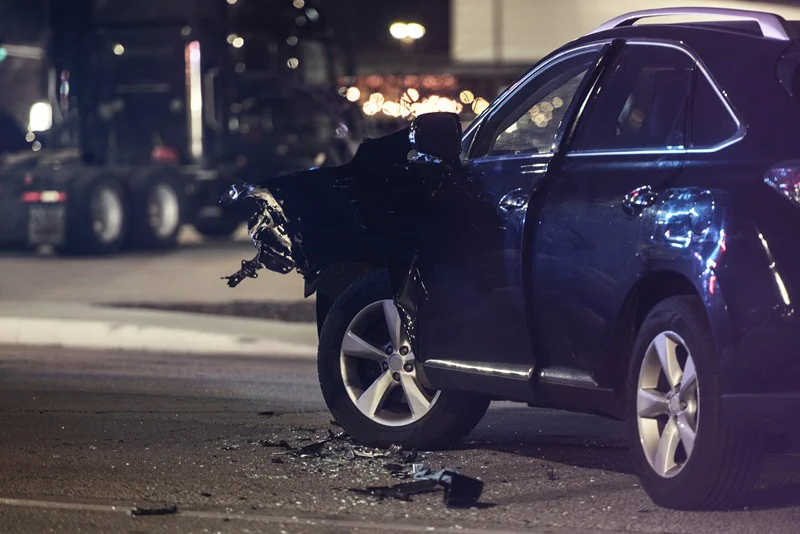
Yes. You can generally file a car accident claim in California even if police did not respond or prepare a report. Maybe the crash seemed minor at first, everyone exchanged information, and you went home. You may only realize later that your injuries or vehicle damage are more serious than you initially thought.
Not having a police report does not erase your right to pursue a claim. It does mean other evidence becomes more important when establishing what happened and who was responsible. Photos, witness accounts, medical records, vehicle damage, and other documentation can help fill in details that a police report might otherwise provide.
A Police Report Is Not Required to File a California Car Accident Claim
A police report can be useful evidence, but it is not what gives you the right to file a car accident claim. Insurance companies can accept claims when no officer responded to the scene. Without a report, other evidence becomes more important when establishing how the crash happened and who was responsible.
The confusion often comes from three separate requirements:

- Filing an insurance claim: A police report is not required before you can open a claim with an insurance company.
- Reporting an injury crash to law enforcement: California Vehicle Code Section 20008 requires certain injury or fatal crashes to be reported within 24 hours when an officer did not respond.
- Reporting a crash to the DMV: California has a separate DMV reporting requirement for qualifying accidents, regardless of whether a police report exists.
These requirements serve different purposes. Filing a report with law enforcement does not automatically start an insurance claim. Likewise, opening an insurance claim does not necessarily satisfy your legal reporting obligations after a crash.
Understanding which requirements apply can become especially important when injuries are discovered after leaving the scene. A car accident lawyer can review what happened, determine whether additional reporting is required, and help gather evidence when no police report exists.
The DMV SR-1 Report Is a Separate Requirement
California Vehicle Code Section 16000 requires drivers to file a report with the DMV, known as the SR-1, within 10 days of a crash that involved any injury or more than $1,000 in property damage. This applies whether or not police responded to the scene, and it is filed with the Department of Motor Vehicles, not a police department.
Few people outside the legal or insurance industry know this requirement exists separately from a police report. It matters because missing it can put a driver's license at risk, even when the driver did nothing wrong. The two processes run on entirely different tracks.
- A police report documents the crash for law enforcement and insurance purposes, but filing one is not legally required in most non-injury crashes
- The SR-1 is a DMV filing tied to license and financial responsibility rules, required within 10 days when injury or significant property damage occurred
- Neither document is required to file an insurance claim, though both can support one
Why a Police Report Still Helps Your Claim
What do you actually need to file a car accident claim in California? At minimum, an insurer wants your account of what happened, contact and insurance information for the other driver, and any documentation of damage or injury you can provide. A claim without a police report is common enough that adjusters have a standard process for handling it.

Not being required does not mean not useful. A responding officer typically records vehicle positions, visible damage, statements from both drivers, and sometimes citations issued at the scene. A California police report carries weight with adjusters because it comes from a neutral source rather than either party involved.
Without one, an insurer has to weigh two competing accounts of what happened, which is exactly the situation where liability disputes tend to drag on. A report does not decide fault, but it narrows the range of disagreement considerably.
Building a Car Accident Claim Without a Police Report
Without a police report, there may be no official account documenting what officers observed at the scene. That does not mean the circumstances of the crash cannot be established. A lawyer can use other sources to piece together what happened and support your version of events.
Evidence may include:
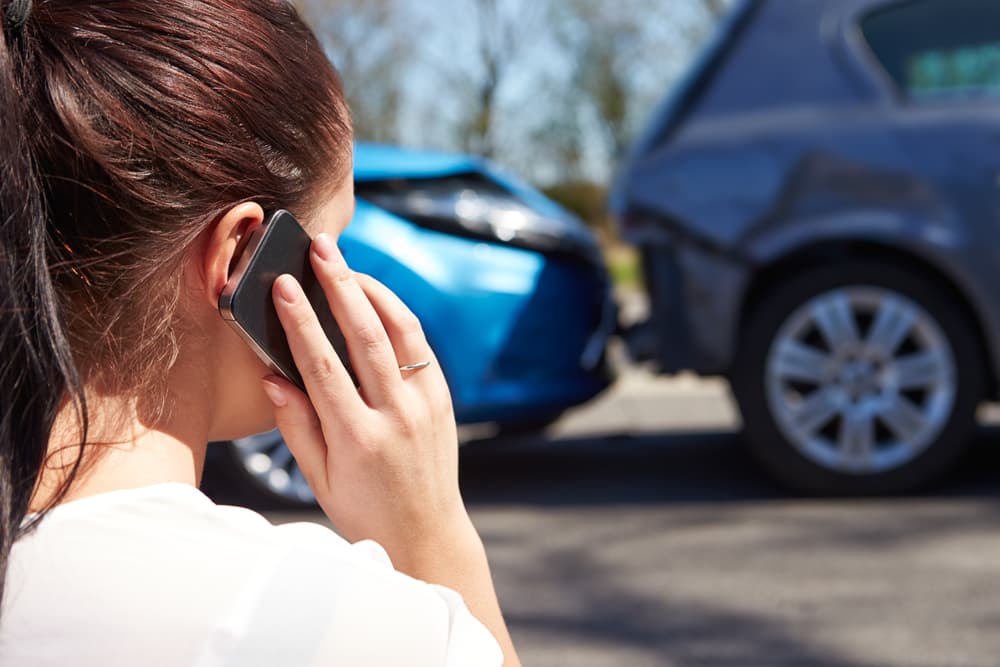
- Photos of vehicle damage, the crash scene, and road conditions
- Statements from witnesses who saw the collision
- Traffic camera or nearby business surveillance footage
- Medical records documenting when injuries and symptoms appeared
- Vehicle data showing speed, braking, or other activity
- Repair estimates showing the extent of vehicle damage
- Messages or insurance communications that help establish a timeline
The value of each piece of evidence depends on the circumstances. Video may capture the collision itself, while vehicle damage can help show the direction and force of impact. Medical records can document injuries even when no officer recorded them at the scene.
Some evidence also has a limited window of availability. Surveillance footage may be overwritten, and witnesses can become harder to locate. Our personal injury attorneys can identify what evidence is available and work to preserve it before important information disappears.
When a Missing Police Report Can Complicate Your Claim
Not having a police report does not affect every claim the same way. It becomes more important when there is little other evidence showing what happened or connecting your injuries to the crash.
A missing report can create additional challenges when:
- Both drivers give different accounts of the collision
- Injuries were not apparent at the scene and developed later
- The other driver disputes important details about the crash
- A driver left the scene before information could be exchanged
- There were no independent witnesses
- Little photographic or video evidence is available

None of these circumstances automatically prevent you from pursuing a claim. They can make a thorough investigation more important. Your lawyer may need to locate witnesses, obtain video, review vehicle damage, or use medical records to fill gaps in the evidence.
Our San Mateo car accident attorneys can determine what evidence is missing and what may still be available. We can then build the claim while you focus on treatment, vehicle repairs, and getting back to your routine.
What to Do If You Forgot to Call the Police
If a crash already happened and no report was filed, the most useful step is documenting everything that still exists. Photograph any remaining vehicle damage and request medical records from the doctor or hospital visit where symptoms were first reported. Write down what you can recall about the crash while the memory is still fresh.
It also helps to check whether the other driver filed anything on their end. Insurance companies sometimes have a report from the other party even when one driver never contacted police, and that record can end up doing some of the same work an officer's report would have.
A Missing Police Report Does Not End Your Claim

A missing police report changes the evidence available, but it does not automatically close the door on a claim. What matters is whether the available evidence can establish what happened, who was responsible, and how the crash affected you.
When that evidence is incomplete or disputed, having a lawyer involved can make the next steps clearer. Your legal team can determine what is missing, find evidence you may not have access to, and address questions about fault or delayed injuries. They can also build the different pieces into a claim that does not depend on a police report alone.
If you were injured in a California crash and no police report was filed, do not assume you are out of options. Galine, Frye, Fitting & Frangos can review the evidence, identify what may still be available, and help you decide how to proceed.